
The Hidden History of Plants – Elderberry: The Threshold Guardian
Updated: Apr 6
The Hidden History of Plants – Elderberry: The Threshold Guardian
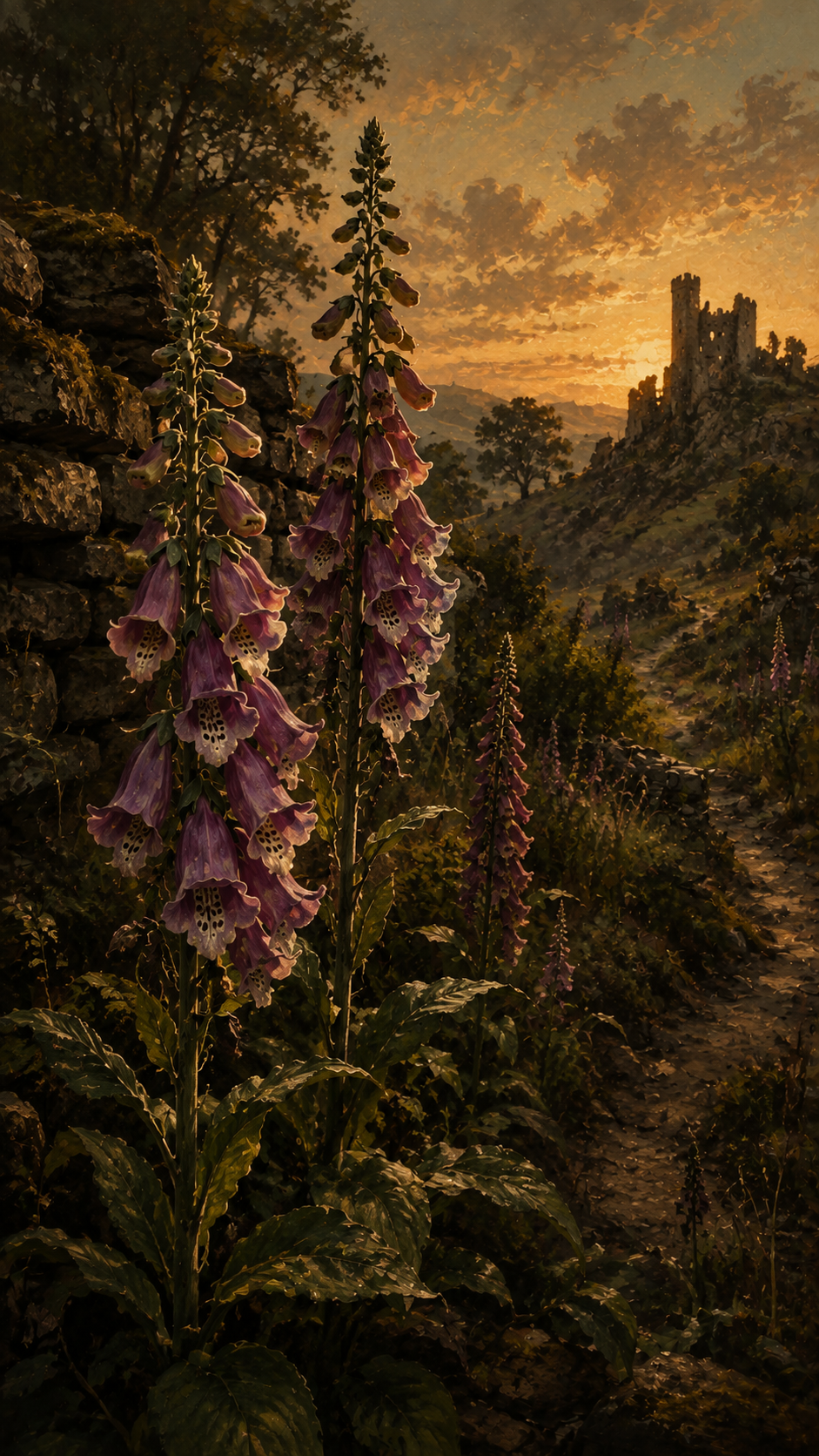
For centuries, elderberry has stood at the edge of the wild and the cultivated—a quiet sentinel rooted in both medicine and myth. Known scientifically as Sambucus nigra, this unassuming shrub has long been regarded as a protector, a healer, and a plant not to be taken lightly. It earned a name that reflects its place in human history: The Threshold Guardian.
A Tree Between Worlds

Across Europe, elder trees were rarely planted randomly. They were placed deliberately—near doorways, along property lines, beside homes. Not for decoration, but for protection.
In traditional European folklore, the elder was believed to house a spirit often referred to as the “Elder Mother.” Cutting the tree without permission was said to bring misfortune, while caring for it ensured protection over the household. Though these beliefs fall into the realm of cultural tradition rather than scientific fact, they reveal something deeper: people recognized elder as a plant worth respecting.
This idea of standing at the threshold—between safety and danger, home and wilderness—is what defines elderberry’s symbolic role across generations.
A History Rooted in Medicine

Beyond folklore, elderberry has a long and well-documented history in herbal medicine. The use of elder dates back to ancient civilizations, including the Greeks and Romans. The physician Hippocrates is said to have referred to elder as his “medicine chest,” a reflection of how widely it was used in early medical practices.
Throughout the Middle Ages, elderberry became a staple in European herbal traditions. Its berries, flowers, and even bark were used in various preparations—from teas to syrups—primarily to support the body during illness.
By the 17th century, herbalist Nicholas Culpeper documented elder extensively, noting its role in supporting respiratory health and overall vitality. These historical uses laid the groundwork for how elderberry is still viewed today.
What Modern Research Says
Today, elderberry is most commonly associated with immune support—and this is where tradition and science begin to overlap. Research has focused primarily on the berries of Sambucus nigra, which are rich in flavonoids, particularly anthocyanins—compounds known for their antioxidant properties.
Several clinical studies suggest that elderberry extracts may help reduce the duration and severity of cold and flu symptoms when taken early. While not a cure or a replacement for medical treatment, these findings support what traditional herbalists observed for centuries: elderberry can play a supportive role during seasonal illness.
However, it’s important to stay grounded in fact. Elderberry is not a miracle cure, and exaggerated claims should be approached with skepticism. Its strength lies in consistent, supportive use—not instant results.
The Parts That Heal—and the Parts That Harm

Elderberry is a powerful plant—but it is not entirely benign. Raw or unripe elderberries, along with the leaves, bark, and seeds, contain compounds that can produce cyanogenic glycosides. In simple terms, these can release small amounts of cyanide when consumed improperly.
This is why traditional preparation methods matter. Cooking the berries—whether in syrups, teas, or tinctures—neutralizes these compounds and makes them safe for consumption. This knowledge has been passed down through generations and remains essential today. It’s a reminder that elderberry, like many medicinal plants, demands respect and understanding—not casual use.
A Guardian That Endures

Elderberry’s legacy is not built on myth alone, nor solely on science—but on the intersection of both. It stood at the thresholds of homes as a protector. It stood in apothecaries as a remedy. And today, it stands at the crossroads of tradition and modern research.
In a world that often looks for quick fixes, elderberry offers something different: a slower, more grounded approach to wellness. One rooted in history. One shaped by generations. One that reminds us that nature rarely works in extremes—but often in balance.
And perhaps that is why it has endured—not just as a plant, but as a presence. A quiet guardian, still standing at the threshold.
Embracing Elderberry in Modern Life
As we navigate our busy lives, incorporating elderberry into our routines can be a gentle reminder of nature's wisdom. Whether through syrups, teas, or supplements, elderberry offers a way to connect with our roots while supporting our health.
How to Use Elderberry
Elderberry can be consumed in various forms. Here are some popular methods:
Elderberry Syrup: A delicious way to enjoy the benefits of elderberry. You can easily make it at home by simmering elderberries with water and sweetening with honey.
Elderberry Tea: Steeping dried elderberries in hot water creates a soothing tea that can be enjoyed any time of day.
Elderberry Gummies: A fun and tasty option, especially for children. Look for products made with natural ingredients.
Safety Considerations
While elderberry is generally safe when prepared correctly, it’s essential to be mindful of dosage and preparation methods. Always consult with a healthcare professional, especially if you are pregnant, nursing, or taking medications.
The Future of Elderberry
As interest in natural remedies grows, elderberry continues to capture attention. Research into its health benefits is ongoing, and new products are emerging. This ancient plant remains relevant, bridging the gap between tradition and modern wellness.
Conclusion
Elderberry is more than just a plant; it’s a symbol of our connection to nature. It teaches us to respect the balance of life and the importance of mindful consumption. By embracing elderberry, we not only support our health but also honor the wisdom of those who came before us.
Let’s cherish this guardian of the threshold and allow it to guide us on our journey toward holistic well-being.
Sources
National Center for Complementary and Integrative Health – Elderberry overview and safety
European Medicines Agency – Sambucus nigra assessments
Mount Sinai Health System – Elderberry clinical summaries
Zakay-Rones, Z. et al. (2004). Randomized study of the efficacy and safety of oral elderberry extract in the treatment of influenza A and B virus infections. Journal of International Medical Research
Hawkins, J. et al. (2019). Black elderberry (Sambucus nigra) supplementation effectively treats upper respiratory symptoms: a meta-analysis of randomized, controlled clinical trials. Complementary Therapies in Medicine
Medical Herbalism – Historical and clinical herbal use
Complete Herbal – Traditional European herbal reference


Comments