
The Hidden History of Plants: Forsythia — The First Light of Renewal
The Hidden History of Plants: Forsythia — The First Light of Renewal
Focus Keyword: Forsythia benefits
Secondary Keywords: Forsythia history, Forsythia medicinal uses, traditional Chinese medicine Forsythia, spring flowering shrubs meaning
Introduction: The First Sign of Life After Winter

Before the trees leaf out… before most plants dare to wake…
Forsythia (Forsythia suspensa) erupts in brilliant yellow bloom—often the very first visible sign that winter is loosening its grip.
But this plant is more than just a seasonal marker.
For centuries, forsythia has held a place in traditional medicine, symbolizing renewal, cleansing, and the transition from dormancy to vitality. Behind its bright blossoms lies a deeper story—one rooted in ancient healing systems, early global trade, and the human need to mark the changing of seasons.
What Is Forsythia?
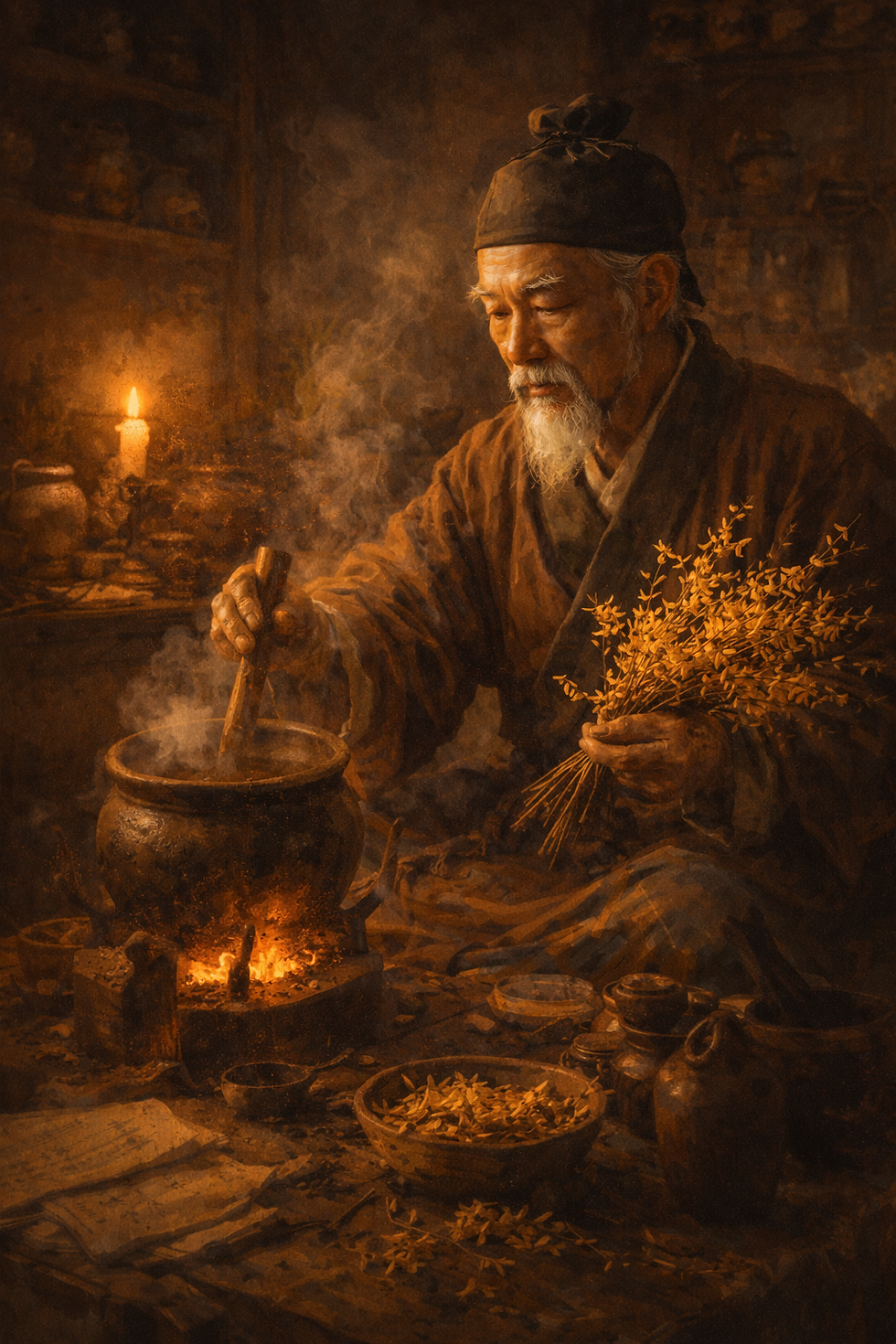
Forsythia is a genus of flowering shrubs in the olive family (Oleaceae), native to East Asia, particularly China and Korea. The species most commonly used in traditional medicine is Forsythia suspensa, often referred to as “weeping forsythia.”
While many people recognize it as an ornamental plant in early spring landscapes, its medicinal history runs far deeper.
Ancient Roots: Forsythia in Traditional Chinese Medicine
Forsythia has been used for over 2,000 years in Traditional Chinese Medicine (TCM), where it is known as Lian Qiao.
In TCM, forsythia fruit—not the flowers—is the primary medicinal part. It is traditionally categorized as an herb that “clears heat and detoxifies.”
What does “clearing heat” actually mean?
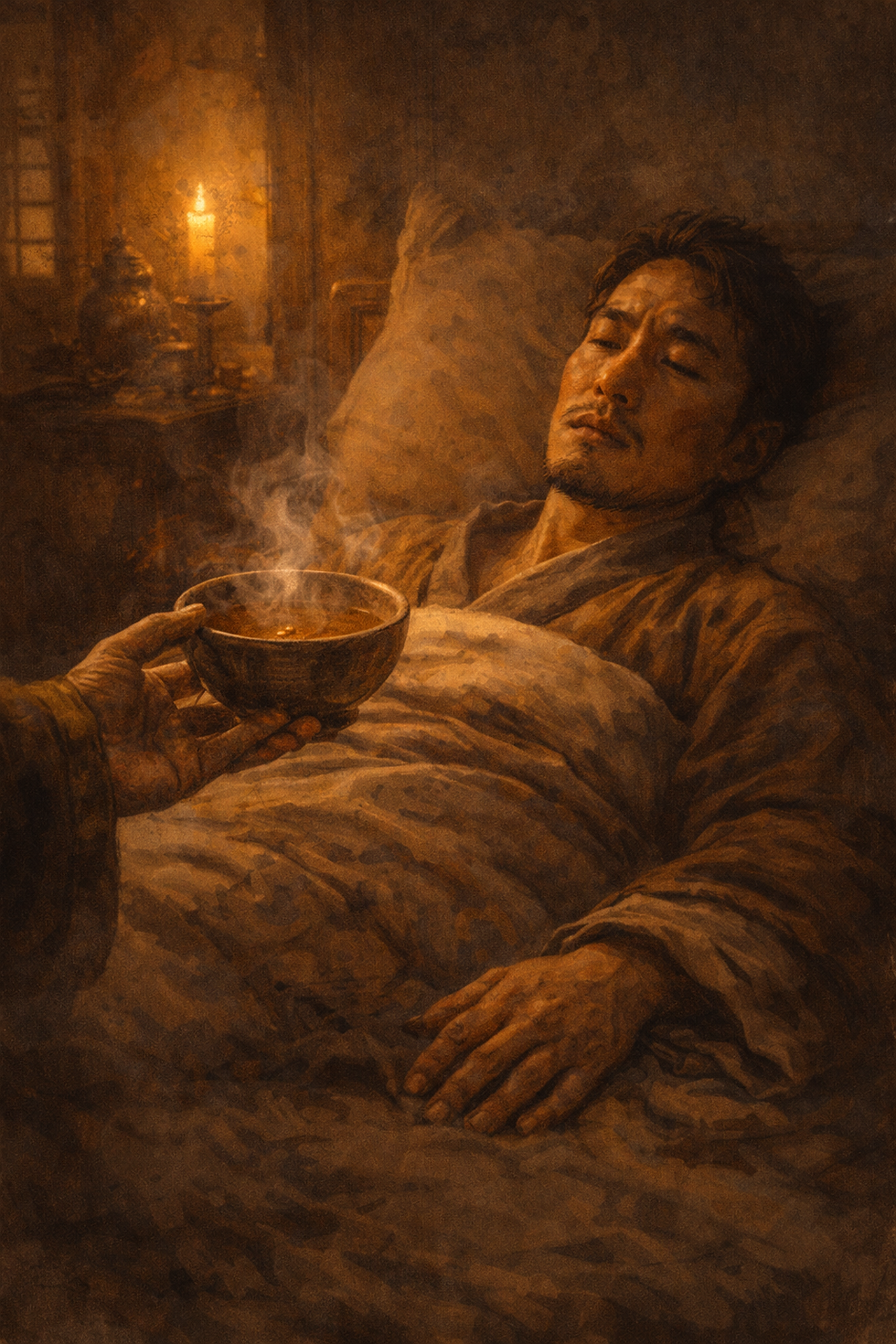
In modern terms, this concept often aligns with:
Reducing inflammation
Supporting immune response
Addressing fever or infection-related symptoms
Forsythia was commonly used in formulations to treat:
Fever and sore throat
Skin infections and abscesses
Early-stage respiratory illness
One of the most well-known formulas containing forsythia is Yin Qiao San, a traditional blend used for early cold and flu symptoms (World Health Organization, 2007).
The Chemistry Behind the Tradition
Modern research has begun to validate some of these traditional uses.
Forsythia fruit contains several bioactive compounds, including:
Lignans (such as forsythiaside)
Flavonoids
Phenylethanoid glycosides
These compounds have been studied for their:
Antimicrobial properties
Anti-inflammatory effects
Antioxidant activity

Research suggests that extracts of Forsythia suspensa may help inhibit certain bacteria and reduce inflammatory responses, supporting its long-standing use in infection-related conditions (National Center for Biotechnology Information, NCBI).
That said—this isn’t a miracle cure. It’s a plant with potential, not a replacement for modern medical care.
A Symbol of Renewal Across Cultures
Even outside of medicine, forsythia has long been associated with transition and awakening.
Its early bloom—often appearing before leaves or other flowers—made it a natural symbol of:
New beginnings
Seasonal change
The return of life
In many ways, forsythia represents a threshold plant—one that stands between winter and spring, dormancy and growth.
That symbolism lines up closely with its traditional medicinal use: helping the body move through the early stages of illness and back toward balance.
From East to West: Forsythia’s Global Journey
Forsythia was introduced to Europe in the 18th century and named after Scottish botanist William Forsyth, one of the founders of the Royal Horticultural Society.
By the 19th century, it had become a popular ornamental shrub across Europe and North America, prized for its resilience and early bloom.
However, as it spread westward, its medicinal uses were largely left behind, and it became known primarily as a decorative plant rather than a healing one.
Why Forsythia Still Matters Today
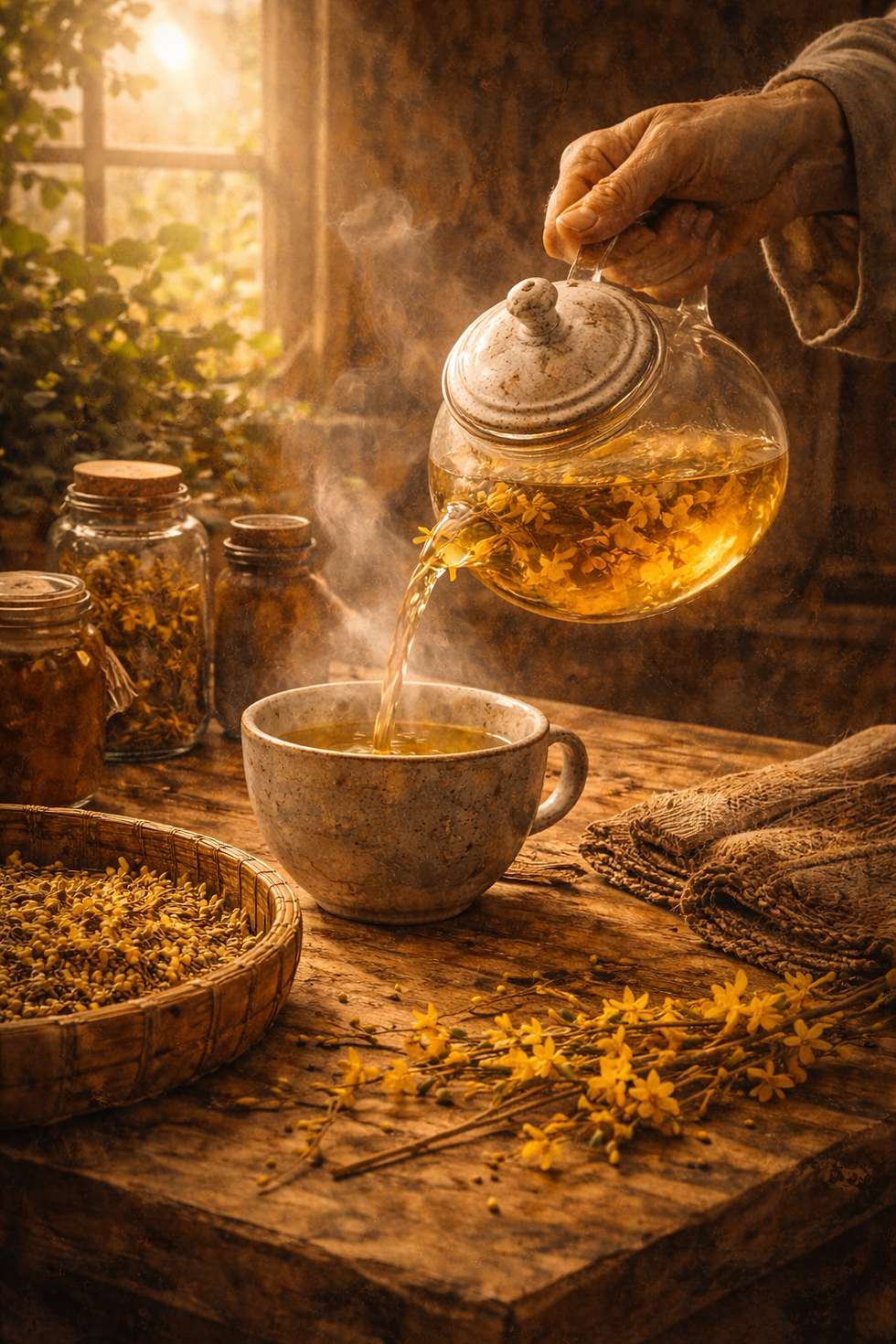
Today, forsythia sits in an interesting place:
Widely planted. Easily recognized. But largely misunderstood.
Most people see it as landscaping.
Few realize it was once part of a deeply developed system of herbal medicine.
And that’s where its relevance returns.
As more people begin exploring traditional plant knowledge and natural approaches to wellness, forsythia stands as a reminder that:
Many common plants have forgotten uses
Traditional systems often observed patterns we’re only beginning to study scientifically
Seasonal plants often align with seasonal needs
Forsythia blooms exactly when the body is transitioning out of winter—a time when immune support and detoxification were historically emphasized.
That’s not coincidence. That’s observation over generations.
A Grounded Perspective
Let’s keep this honest and useful.
Forsythia has:
Documented traditional use
Promising modern research
Cultural and seasonal significance
But it also has limits.
It should not be treated as:
A replacement for medical treatment
A guaranteed solution
A cure-all
What it is—is a piece of a much larger system of plant-based knowledge.
And like many plants in this series, its real value may be less about what it “fixes”… and more about what it reminds us of.
Conclusion: The First Light Still Means Something
Forsythia doesn’t just mark the arrival of spring.
It marks a shift.
A moment where the world begins to wake up again.
And for thousands of years, people paid attention to that moment—using plants like forsythia not just for beauty, but for balance.
Today, we’re starting to look again.
Sources
World Health Organization. WHO Monographs on Selected Medicinal Plants, Volume 3. 2007.
National Center for Biotechnology Information (NCBI). “Forsythia suspensa: A review of its phytochemistry and pharmacology.”
Chinese Pharmacopoeia Commission. Pharmacopoeia of the People’s Republic of China.
Upton, Roy et al. American Herbal Pharmacopoeia: Botanical Pharmacognosy.
Royal Horticultural Society (RHS). “Forsythia: Plant Profile and History.”


Comments